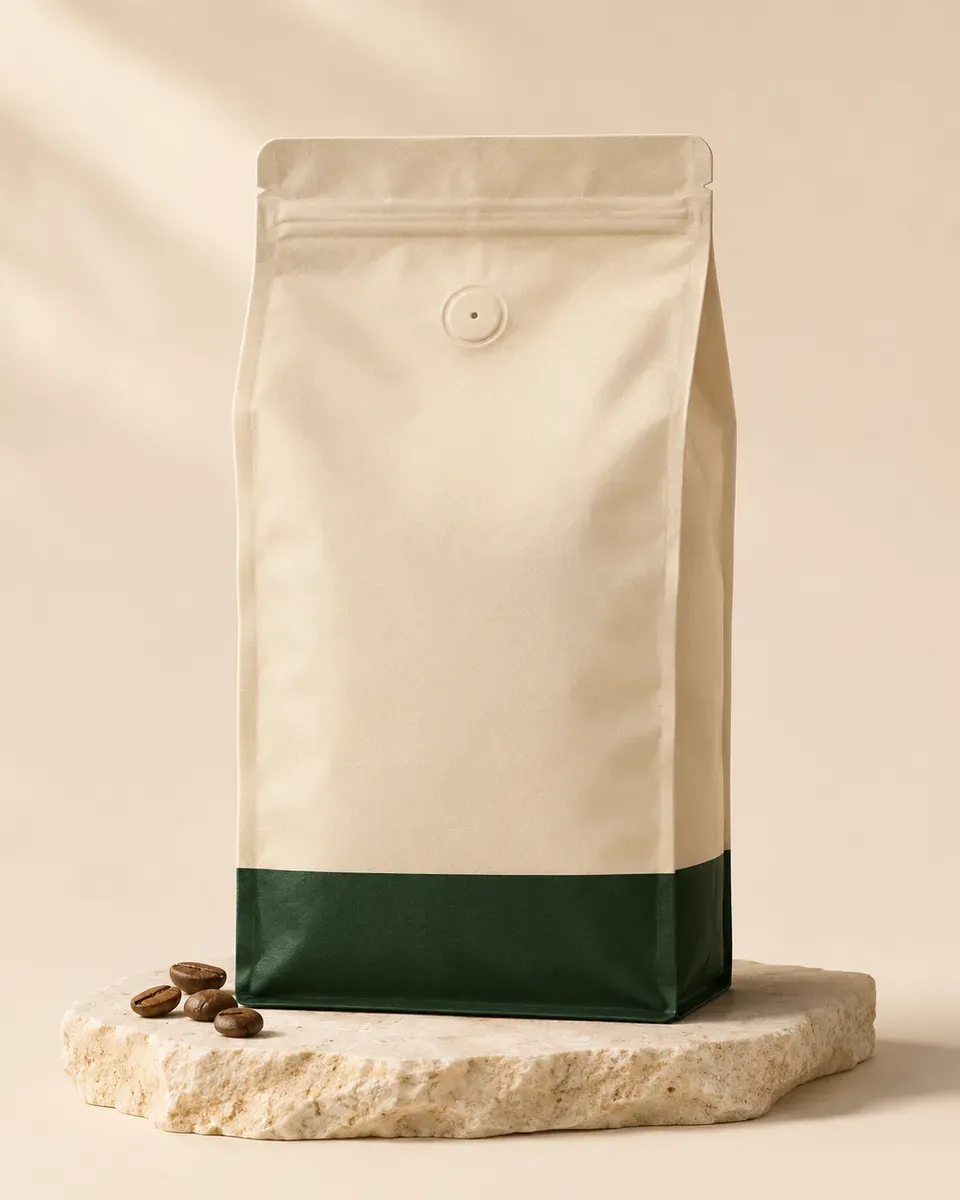
 rimbaSumatra
Forest Roast
Forest Roast
SumatraMedium roast · Arabica luwak coffee
A rounded, cocoa-led profile with a warm nutty middle and a gentle suggestion of spice.
Request Forest Roast samples
Indonesian luwak coffee.
A world worth exploring.
Indonesian luwak coffee for wholesale and hospitality buyers, with two roast profiles and a considered approach to sourcing.
From an Indonesian landscape to a place in your collection. Begin with the coffee. Stay curious about its story.
Rimba brings two luwak coffee profiles into a thoughtful buying conversation. Explore the character, consider the format, and ask the questions that matter to your business.
Explore Our Coffee
Cherries, a civet,
and a coffee unlike most.
Luwak coffee takes its name from the civet involved in its unusual production: coffee seeds are recovered after the animal has eaten the cherries and passed the seeds.
That origin invites curiosity. It also makes collection methods, traceability, and animal-welfare evidence important questions to bring to a supplier.
Look closer at the origin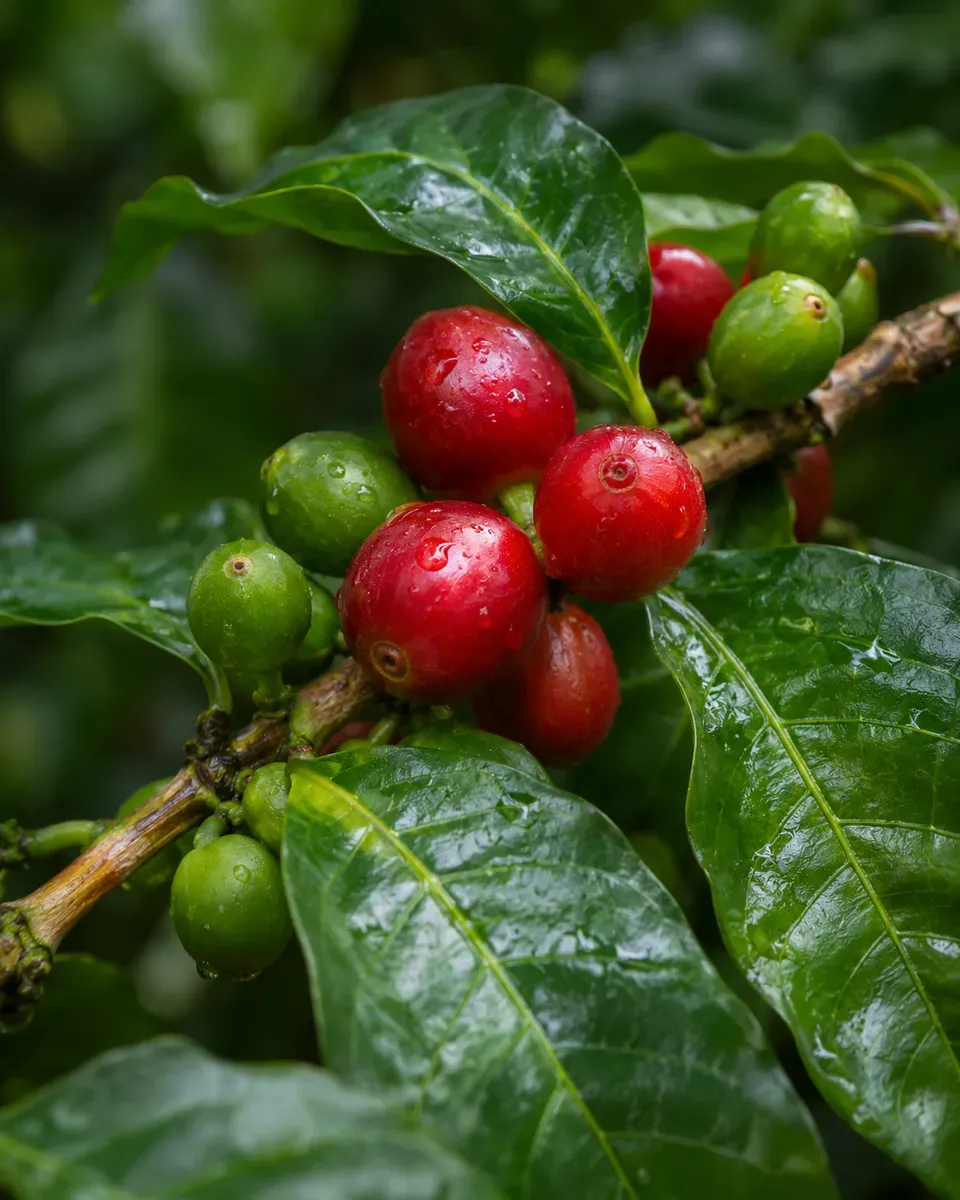
Two origins. Two roast directions.
A useful place to begin your comparison.
rimbaSumatraMedium roast · Arabica luwak coffee
A rounded, cocoa-led profile with a warm nutty middle and a gentle suggestion of spice.
Request Forest Roast samples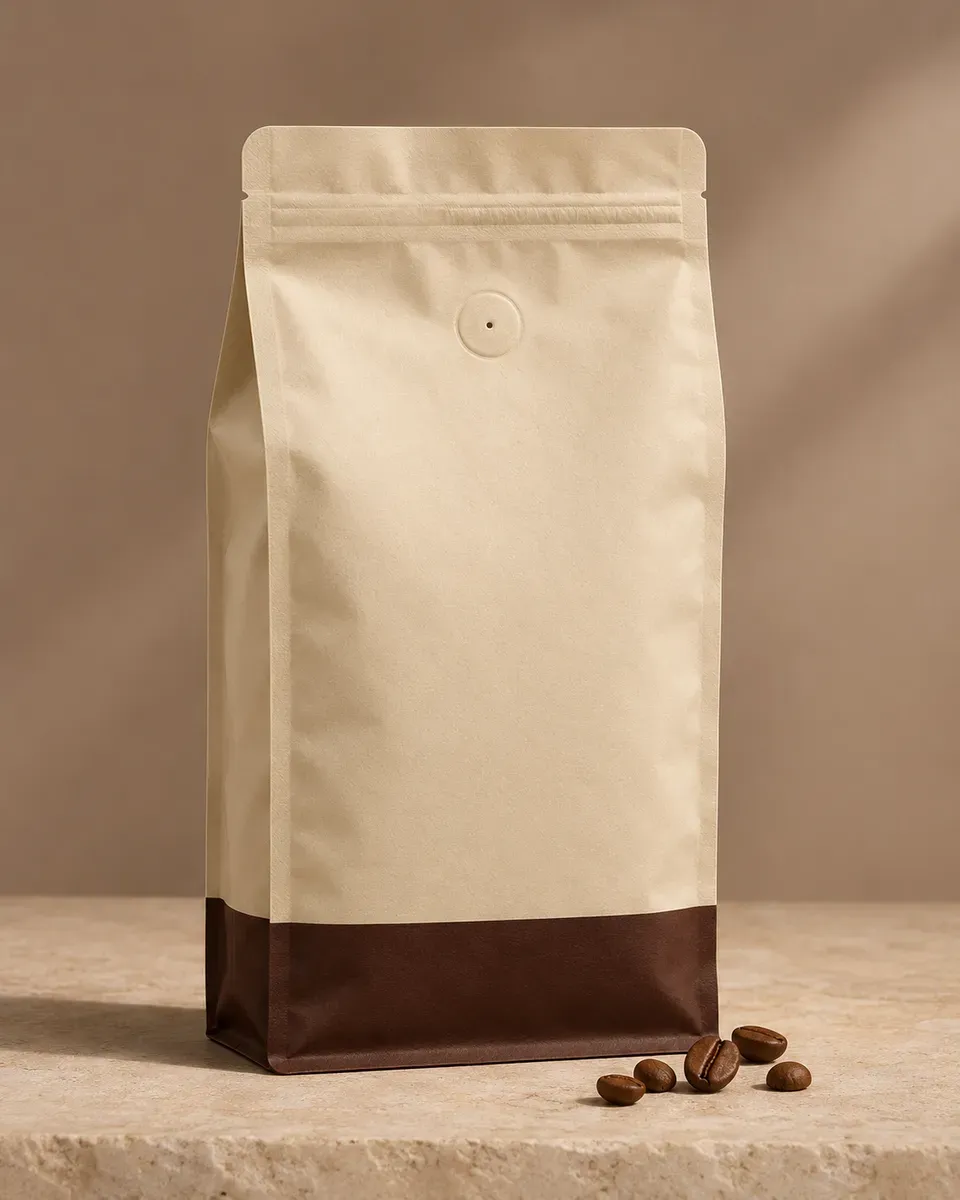 rimbaJava
Medium-dark roast · Arabica luwak coffee
A deeper expression, bringing dark-chocolate character and a fuller roast direction to the cup.
Request Heritage Roast samplesCompare the profiles, then carry your choice into a sample brief.
Cocoa, roasted almond, soft spice
A considered starting point for filter coffee and black-coffee service.
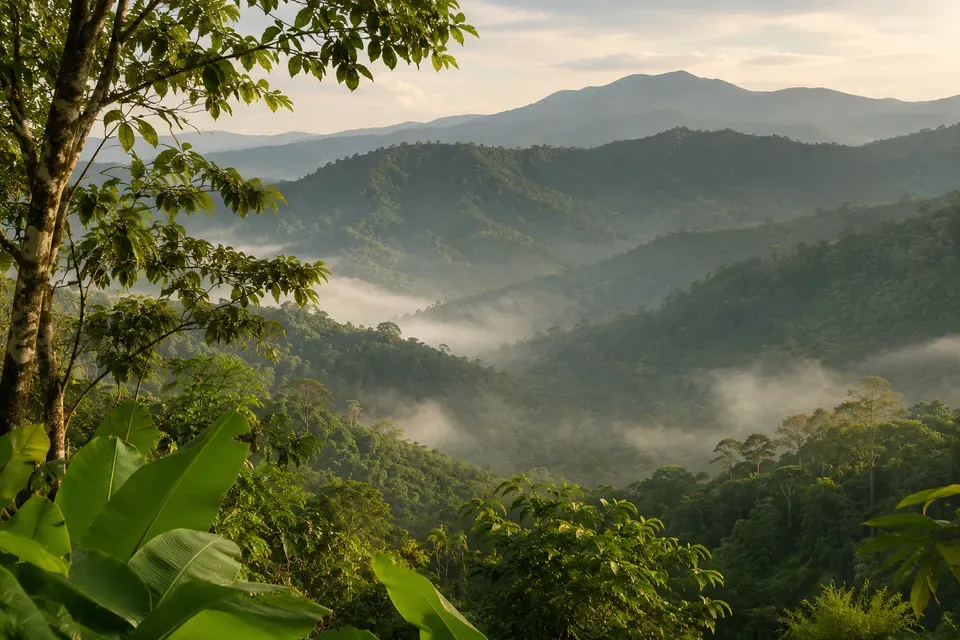
A landscape gives coffee its setting. The detail gives a buyer something to consider.
Look beyond an origin name. Ask who collected the proposed coffee, how it was handled, and which records connect the sample to the lot under discussion.
Published research at civet-coffee tourism sites in Bali documented welfare concerns in captive production. It does not assess individual suppliers.
Review the study of civet-coffee tourism in Bali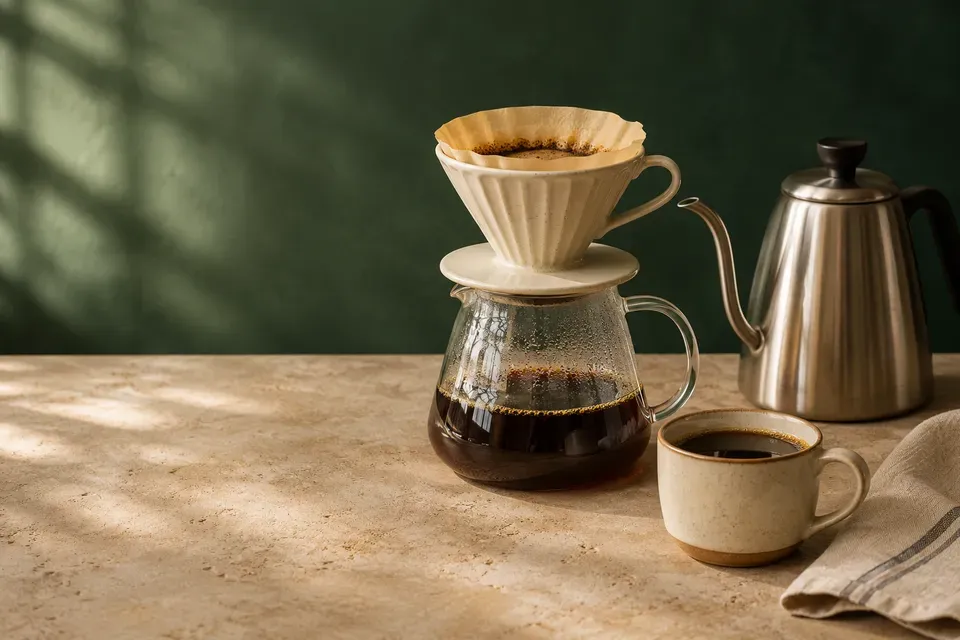
Start with the cup direction and how you intend to serve it. Explore the coffee before comparing the offer.
Use a consistent brewing approach. Note what you want to compare, and what still needs an answer.
Bring product information, sourcing questions, and packaging into the same conversation.
Include your destination, intended quantity, and documentation needs before discussing commercial terms.
A considered retail shelf, a signature hotel service, or a new distribution range. Start with the way the coffee will be used.
| Format | A starting point for | Bring to the conversation |
|---|---|---|
| 100 g | Sample evaluation | Profile, brewing method, questions to compare |
| 250 g | Retail presentation | Whole bean or ground, pack and label requirements |
| 1 kg | Hospitality service | Preparation, service volume, desired schedule |
Final availability, packaging, and commercial terms are considered against your request and destination.
Discuss your requirementsBuying luwak coffee starts with looking beyond the tasting notes.
Consider the product, the sourcing information, and the practical details together. Use this buying checklist to prepare your next conversation.
Start with a coffee profile and how you intend to serve it. Choose Forest Roast for a medium-roast direction or Heritage Roast for a deeper expression. A sample brief can include both profiles for comparison.
Include the desired pack size, presentation, and destination in your brief. Sample, retail, and hospitality formats give the conversation a starting point; final packaging details belong in the agreed specification.
Ask for the proposed origin, collection method, lot references, and supporting records. A landscape or a product name is a starting point for the story, rather than a substitute for reviewable information.
Quantity, availability, pricing, and shipping terms are considered against the product, packaging, and destination. Include the quantity you have in mind in your buying brief.
Bring your next coffee conversation into focus.
Tell us the shape of your project. Choose a profile, describe your plans, and prepare a buying brief for your next conversation.
How your details are handled