Details that matter
From the first sample to a clear commercial brief.
Compare the coffee. Review the information. Agree the scope. A useful buying process brings product, packaging and destination into the same conversation.

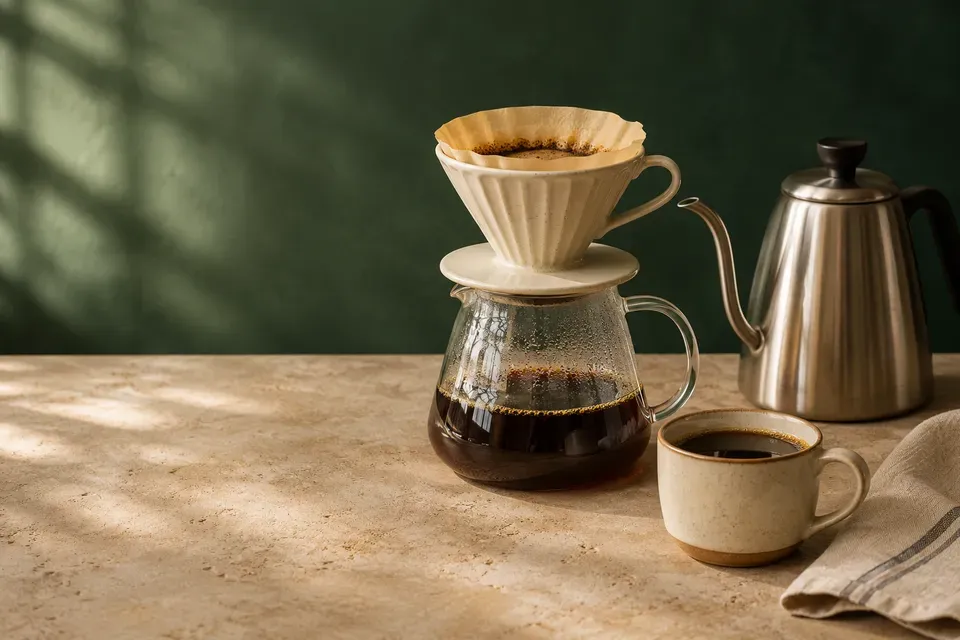
From sample to scope
Define the coffee
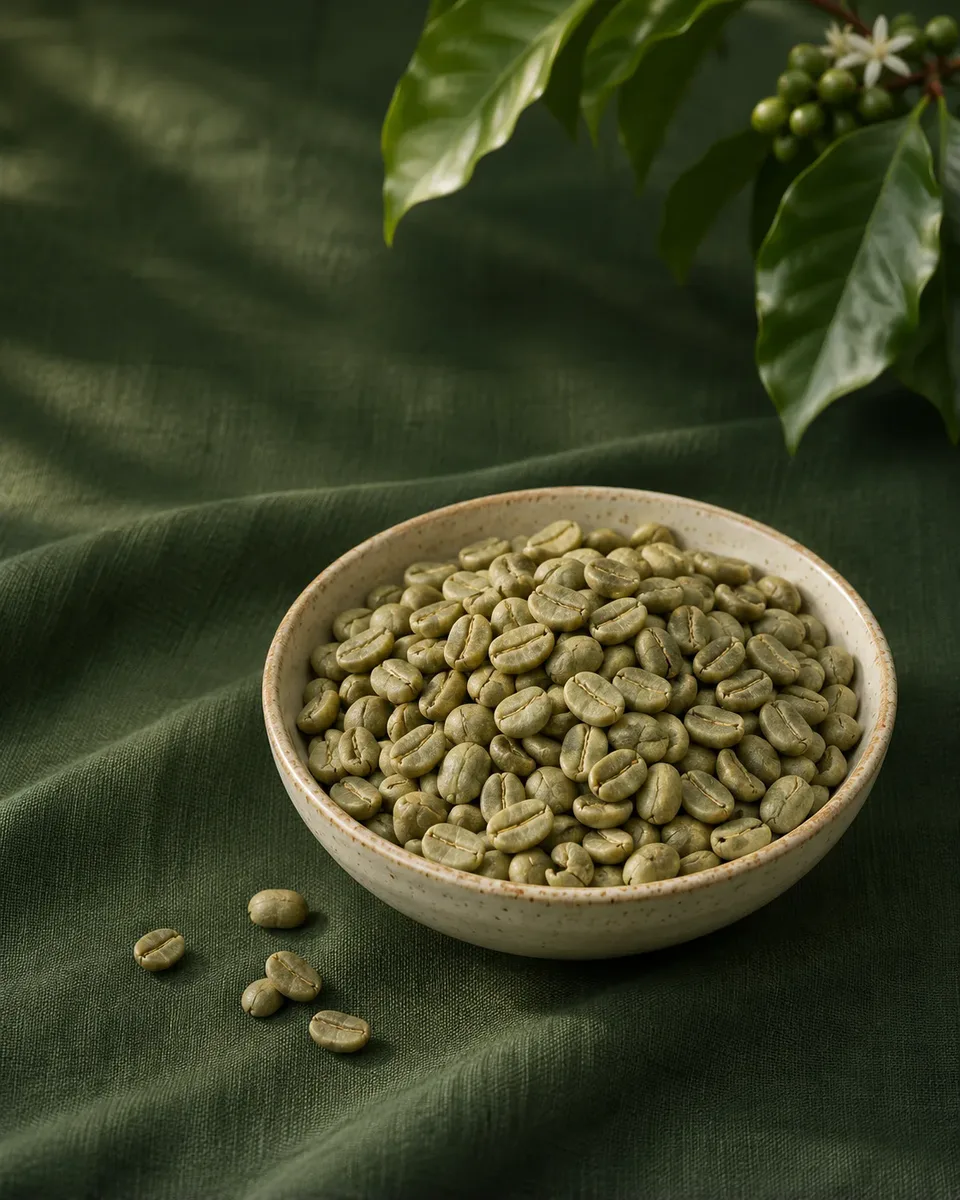
Choose roasted or green, identify the profile and describe the intended use.
Evaluate the sample
Use a consistent method and record the sample identity, observations and unresolved questions.
Review the information
Match product details, sourcing statements and any supplied documents to the proposed lot.
Shape the quotation
Specify quantity, presentation, destination and responsibilities before agreeing a commercial offer.
Read the document
A record is useful when its purpose, issuer and scope are clear. Ask what is available for your proposed order; do not assume every document applies to every format or destination.
Scroll the table to see all columns.
| Item to discuss | What to establish | What to check |
|---|---|---|
| Product specification | What coffee and format are being offered | Which values are declared, measured or independently assessed. |
| Lot and sample reference | Which coffee was evaluated | How that sample relates to the proposed commercial lot. |
| Sourcing information | What supports a collection or origin statement | Issuer, date, scope and connection to this coffee. |
| Commercial and shipping records | What the agreed transaction needs | Current destination requirements, responsible parties and applicable product form. |
Packaging with purpose
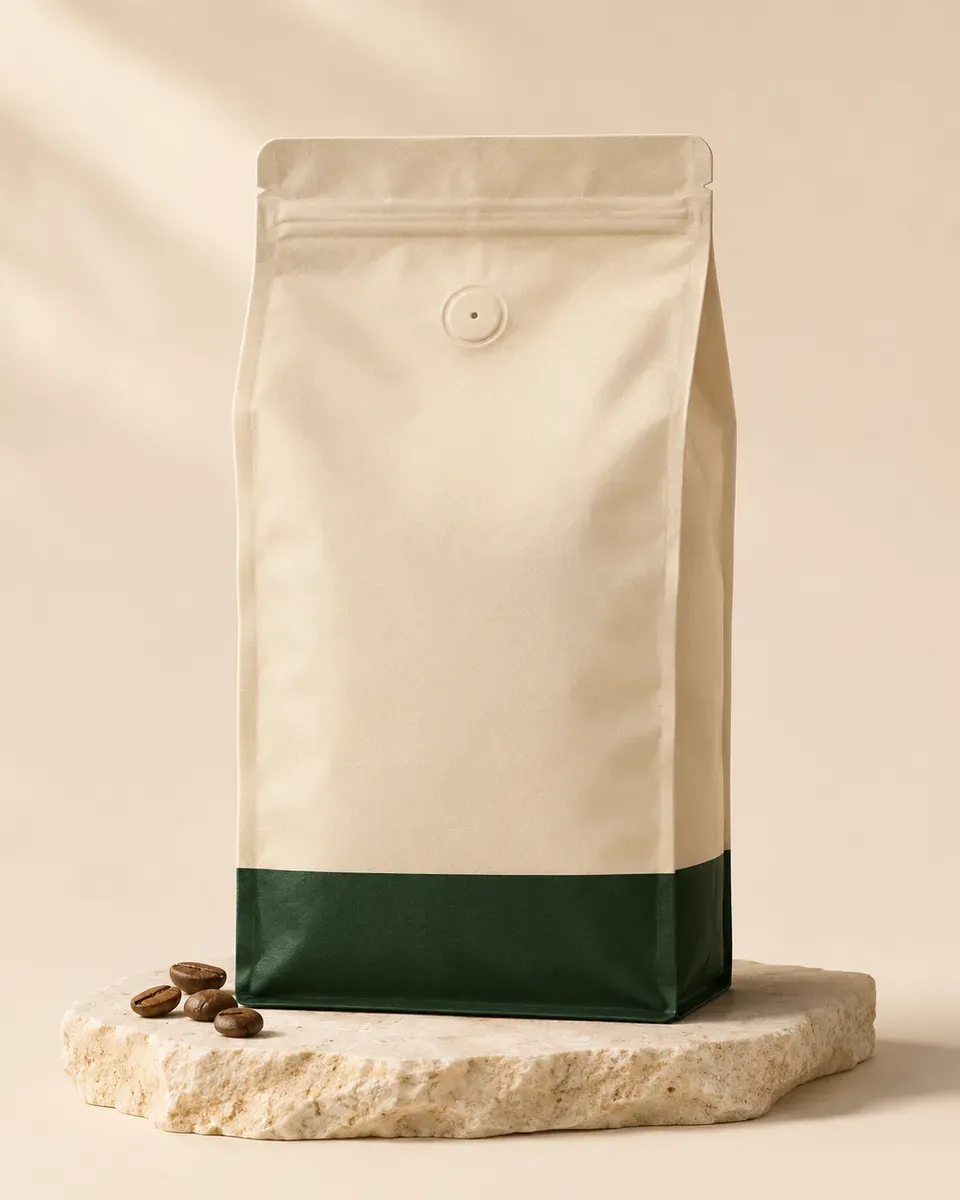
Compare the presentation options for roasted coffee and the separate evaluation/bulk discussion for green beans. Final packaging is part of the quotation.
| Format | A starting point for | Bring to the conversation |
|---|---|---|
| 100 g | Sample evaluation | Profile, brewing method, questions to compare |
| 250 g | Retail presentation | Whole bean or ground, pack and label requirements |
| 1 kg | Hospitality service | Preparation, service volume, desired schedule |
| 250 g | Sample-roast evaluation | Sample identity, roasting method and a comparison record. |
| 5 kg | Roaster evaluation program | Intended quantity and packaging to confirm in the quotation. |
| Bulk | A defined roasting program | Lot, quantity, pack basis and destination review. |
Bring artwork, preferred materials, intended use and importer requirements into the discussion.
Prepare a quotationDestination comes first
Packaging and labeling need a target-market review. CBI’s European roasted-coffee guidance provides one regional planning perspective; it is not a rulebook for every destination or for green coffee.
Before agreeing an order, identify the importer and relevant authority, confirm the exact product form and review current requirements with the responsible parties. Freight, duties, import eligibility, delivery timing and commercial terms need order-specific confirmation.
Read CBI’s European market guidanceCoffee and presentation
Bring the details
Include product, format, quantity, destination and document questions in your quotation brief.
Request SamplesChoose your next step
Explore the buying context, format, destination and commercial questions relevant to your coffee brief.