 rimbaSumatra
Forest Roast
Forest Roast
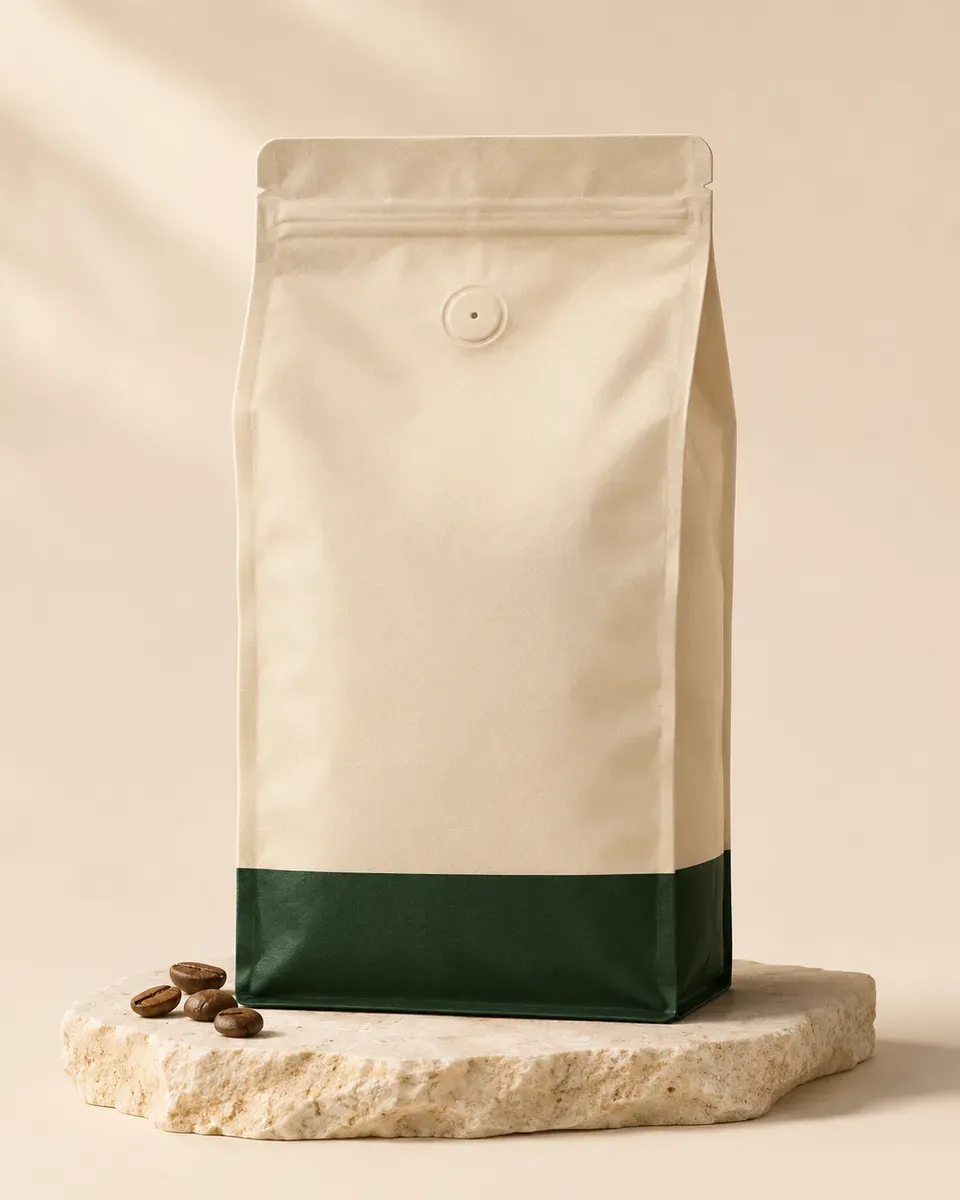
SumatraMedium roast · Arabica luwak coffee
A rounded, cocoa-led profile with a warm nutty middle and a gentle suggestion of spice.
Request Forest Roast samplesIndonesian luwak coffee, from first questions to a considered purchase.
Understand the formats, separate the story from the evidence, and prepare a useful request for your business.
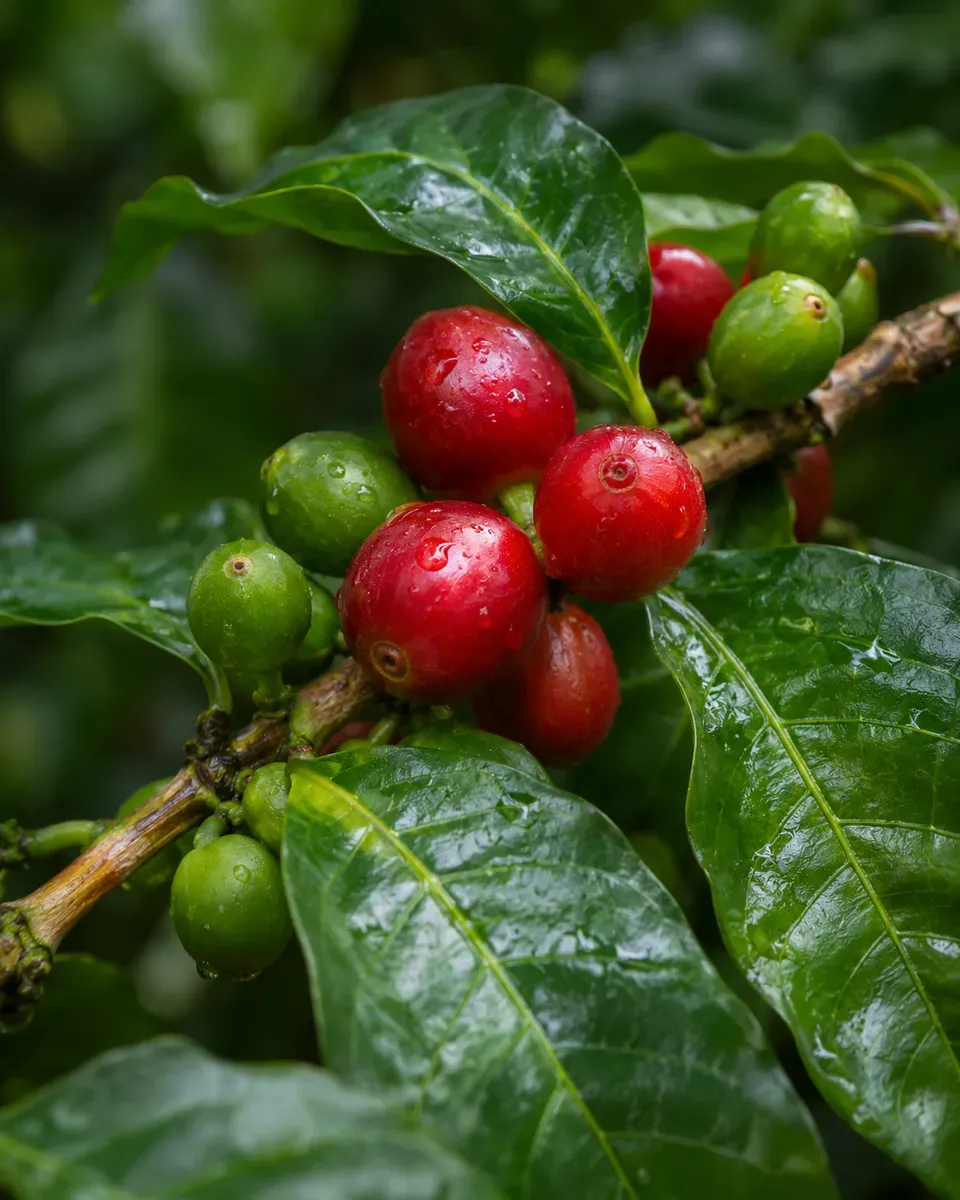
Luwak coffee describes coffee made from seeds recovered after civets eat coffee cherries and pass the seeds. The production method is part of its identity. It does not, on its own, guarantee quality, a fixed flavor or responsible sourcing.
For a wholesale purchase, translate curiosity into a clear brief: what is the proposed coffee, who is supplying it, and what information helps your team evaluate it?
Definition and research contextRecord the origin, coffee type, proposed lot and product format separately. Ask how collection is described, what happens afterward and which records accompany the offer. Do not infer a complete handling process from a regional name or a product image.
Keep the offered sample’s identity with your observations. If the proposed commercial lot changes, review what changed before carrying the sample decision forward.
Explore origin and traceabilityA good comparison starts with the same purchasing scope. Rimba offers two roasted profiles and a separate green-coffee option; the right choice depends on what happens in your business next.
Scroll the table to see all columns.
| Format | Who it may suit | Sample questions |
|---|---|---|
| Green beans | Roasters and importers with a roasting program | How will the sample be roasted and compared? Which lot and packaging are proposed? |
| Roasted whole bean | Hospitality, retail and coffee service | Which profile, preparation and pack format suit the service? |
| Ground to order | A defined brewing workflow | Which equipment and grind are intended? How will the coffee be presented and used? |
Give each supplier the same brief. Include product form, origin preference, intended use, proposed quantity and destination. Ask for the lot reference, collection explanation, product details and information available for review.
Keep an explicit list of unanswered questions. A response that describes the brand generally may still leave the proposed coffee unclear. Clarify the difference before comparing quotations.
Use the sourcing checklistCollection method, chain of custody and animal treatment deserve their own questions. Ask what supports each statement, who supplied or reviewed the information, and how it applies to the coffee under discussion.
Historical research into captive-civet tourism in Bali is a reason to ask carefully scoped questions, not evidence for or against a particular supplier. Treat photographs, sensory descriptions and broad “ethical” language as different from independently reviewable records.
Review welfare questions
Separate a descriptive product profile from a measured result and a document issued for a specific purpose. Confirm what the supplier is actually presenting.
Scroll the table to see all columns.
| Information | What it helps you review | What it does not establish alone |
|---|---|---|
| Origin and format | The declared identity of the offer | Authenticity, collection method or quality verification. |
| Tasting description | A direction to explore in a roasted sample | A standardized score or a fixed result in every recipe. |
| Assessment or report | The result within the report’s stated scope | Unrelated lots, later shipments or claims outside that scope. |
| Commercial documents | The defined transaction and its requirements | Universal import clearance or suitability for every market. |
Agree the evaluation method before comparing coffees. Record the sample and proposed lot, preparation, recipe or roast approach, date, observations and the decision still to make. For green coffee, begin with a repeatable sample-roast approach rather than treating raw beans as a brewed product.
The Specialty Coffee Association publishes separate standards for sample preparation/tasting mechanics, descriptive assessment and affective assessment. These distinguish different assessment purposes. Our worksheet below is a practical buying aid, not a claim of compliance with a complete SCA protocol.
Explore SCA assessment standardsUse the same record for every coffee you compare. Keep sensory observations separate from sourcing evidence and commercial approval.
Scroll the table to see all columns.
| Record | Write down | Use it to decide |
|---|---|---|
| Identity | Product, supplier, sample and proposed lot | Are you comparing the intended coffee? |
| Preparation | Equipment, recipe, grind or sample-roast approach | Can you repeat the evaluation fairly? |
| Observations | Aroma, flavor, texture and service fit | Does it meet the intended use? |
| Open questions | Documents, sourcing, pack and quote questions | What must be clarified before an order? |
An amount per kilogram means little without its scope. Record the product form, quantity, pack basis and currency; clarify what is included and what remains to be quoted. Packaging, freight and destination charges should not be silently treated as equivalent between offers.
Bring retail artwork or private-label requirements into the packaging discussion early. CBI’s European roasted-coffee guidance illustrates why packaging and target-market review matter. That regional guidance does not establish current rules worldwide or eligibility for a particular shipment.
Read the regional packaging guidanceName the destination country and city, the importer and the product format. Green, roasted whole bean and ground coffee may need different questions answered. Confirm applicable requirements with the relevant authorities and responsible importer before a commercial agreement.
A destination in a request is a review input, not a guarantee of delivery or clearance. Keep the packaging, documentation and final commercial responsibilities tied to the actual proposed order.
Plan quality and export questionsExplore the coffee, then include the selected product in your sample or quotation brief.
rimbaSumatraMedium roast · Arabica luwak coffee
A rounded, cocoa-led profile with a warm nutty middle and a gentle suggestion of spice.
Request Forest Roast samples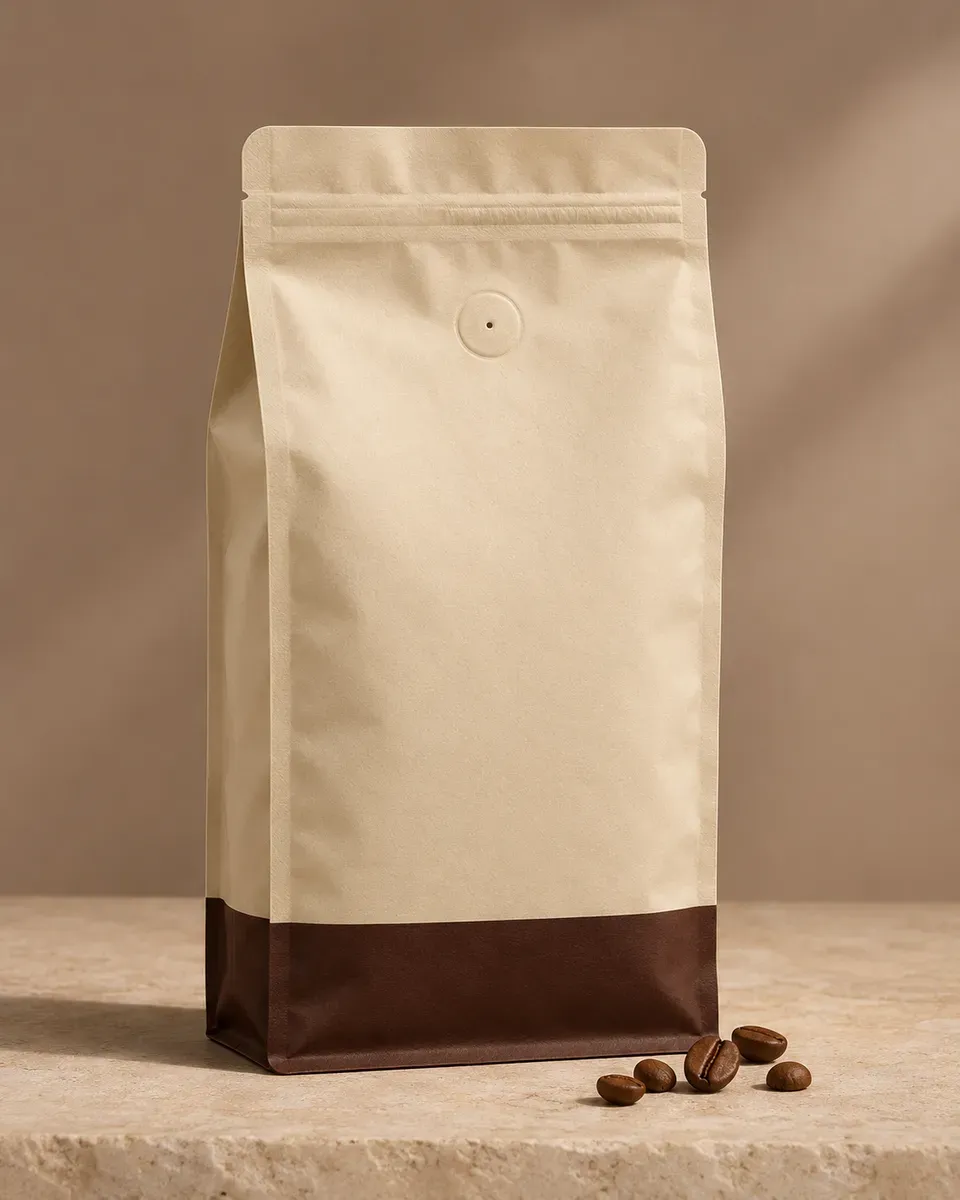 rimbaJava
Medium-dark roast · Arabica luwak coffee
A deeper expression, bringing dark-chocolate character and a fuller roast direction to the cup.
Request Heritage Roast samplesUnroasted · Arabica luwak coffee
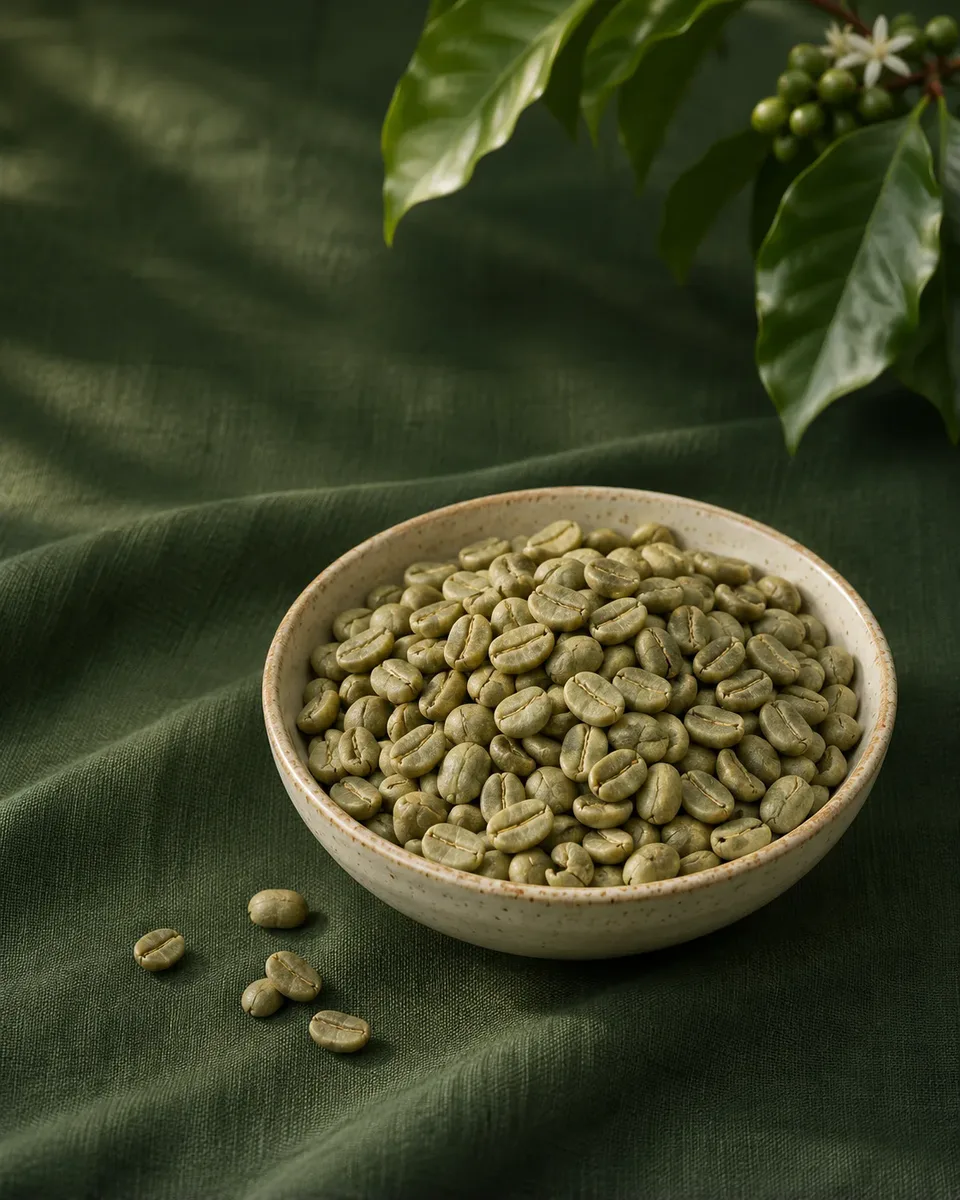
An unroasted starting point for roasters and importers who want to shape their own coffee expression.
Request Green Beans samplesName the coffee or ask to compare the collection. Include your intended use, preferred format, destination, packaging and the questions your evaluation should answer. For a quotation, add the intended quantity and any document or artwork requirements.
Review the sample outcome, sourcing information and commercial proposal as separate parts of the decision. A sample evaluation does not itself establish availability, final terms or an approved shipment.
Request SamplesNo fixed cup profile should be assumed from the name. Evaluate the proposed coffee, its roast or sample-roast approach, and the preparation used.
Confirm exactly what coffee and format are being offered, then connect the sample, sourcing information and commercial proposal to that identity.
Include your intended presentation, artwork needs, product format and quantity so the service scope can be considered alongside the coffee.
No. Sampling, availability, the commercial offer and final order confirmation are separate steps.
Choose a product, record the questions that matter to your business, and prepare a sample or quotation brief.
Explore the buying context, format, destination and commercial questions relevant to your coffee brief.