Know the origin
Cherries, a civet, and questions worth asking.
Luwak coffee has an unusual beginning. A meaningful sourcing conversation follows the proposed coffee beyond its name: where it comes from, how collection is described and what information can be reviewed.
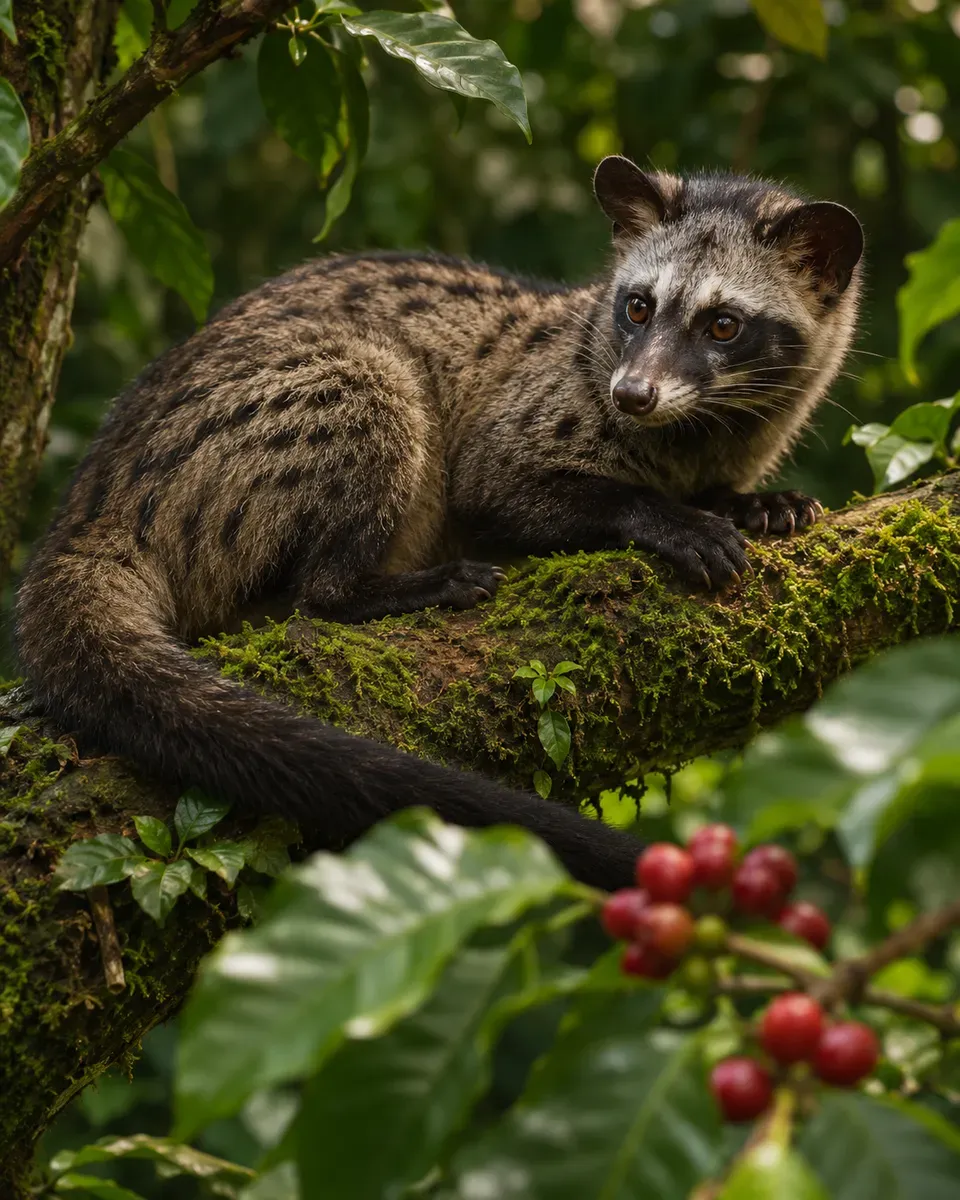
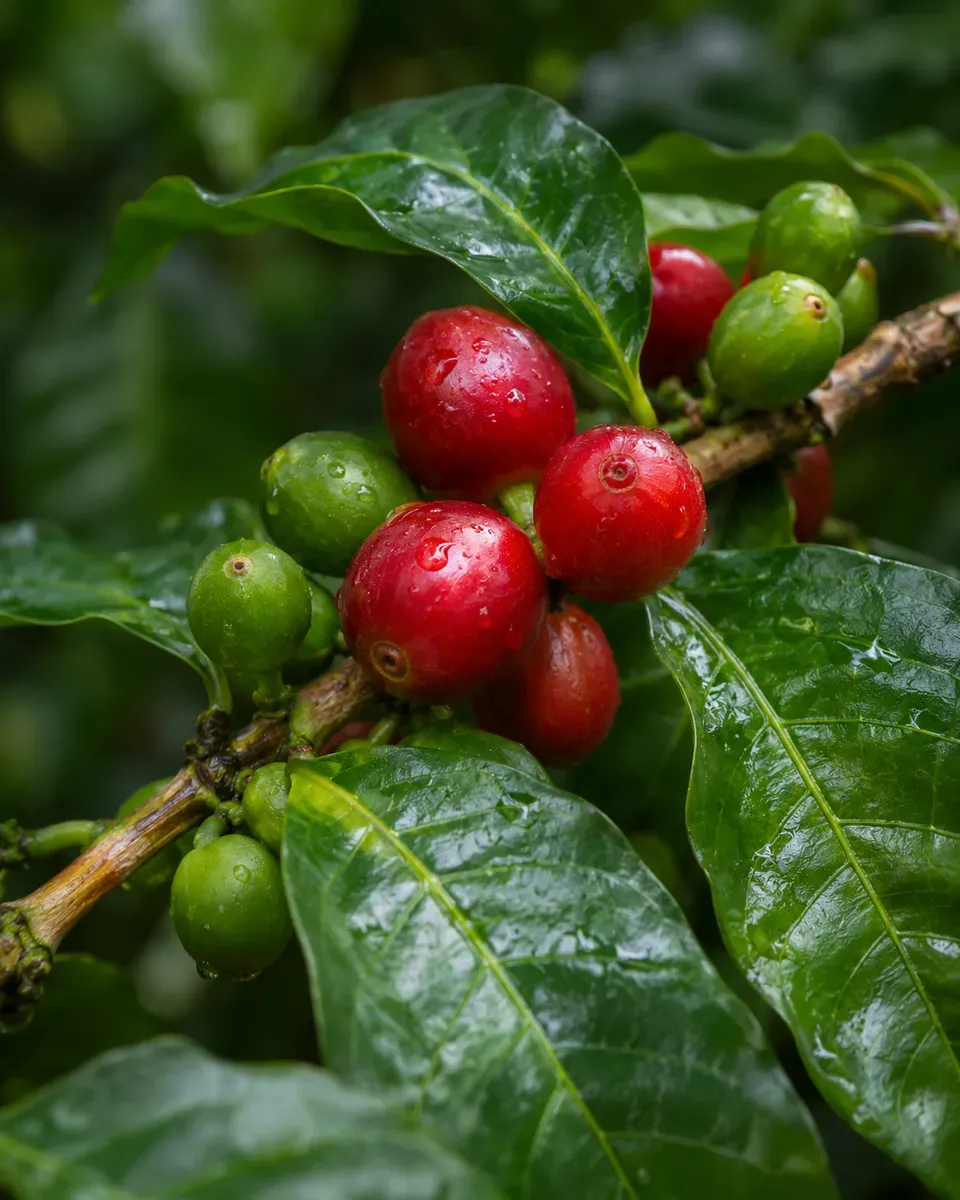
An unusual beginning
The story begins with a coffee cherry.
Luwak coffee involves seeds recovered after civets eat coffee cherries and pass the seeds. This describes a production route; it does not establish a particular flavor, sourcing practice or level of quality.
Ask about the specific coffee on offer. An origin name and a compelling photograph do not replace lot information, a collection explanation or records you can examine.
Read the research context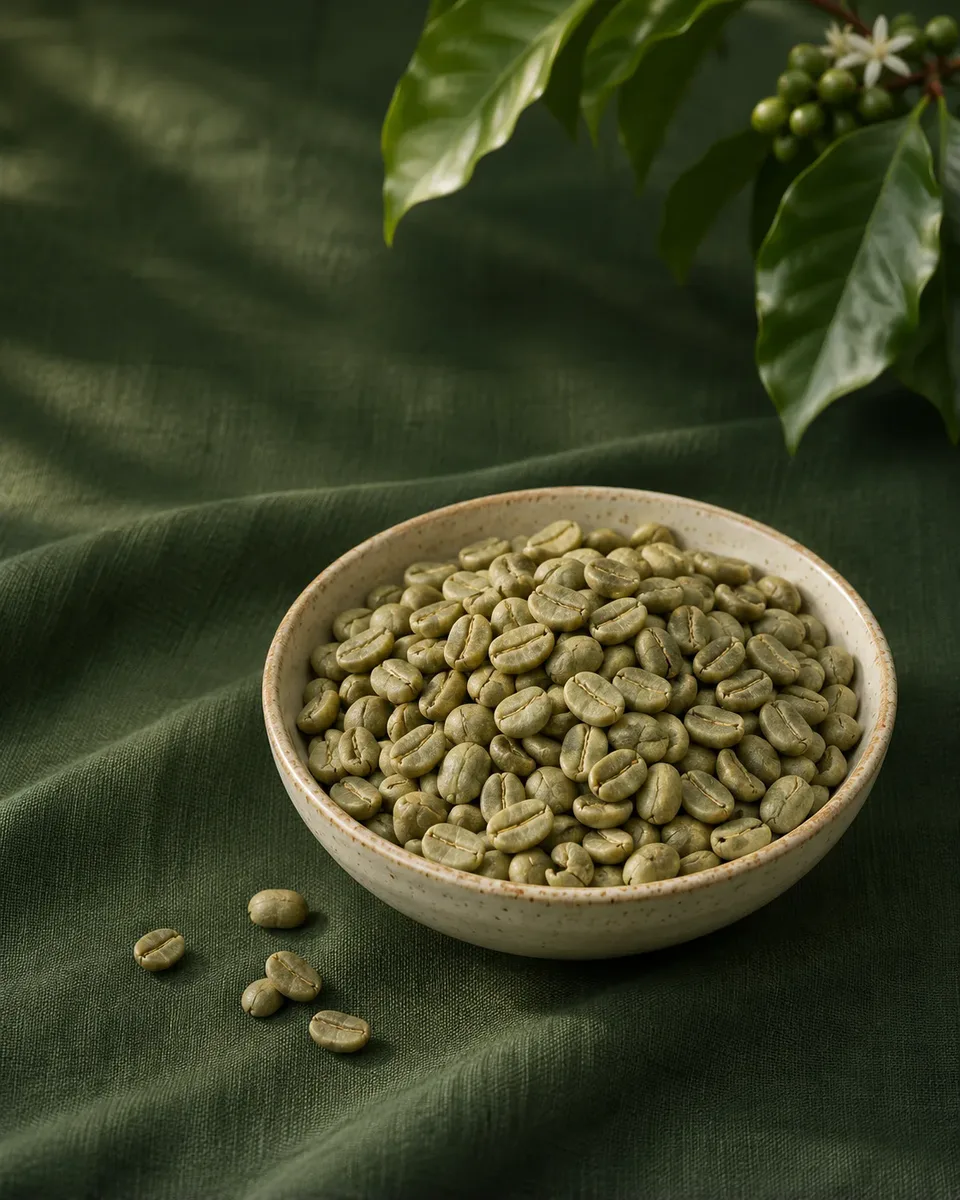
Follow the proposed lot
Ask for information that relates to the coffee you are evaluating, rather than a general brand statement. These are procurement questions, not a claim that a document has been issued.
Scroll the table to see all columns.
| Ask about | A useful question | Keep in your notes |
|---|---|---|
| Origin and identity | Which region, coffee type and lot does the offer describe? | The product and proposed lot reference. |
| Collection | How were the coffee seeds collected and handled? | The explanation and its supporting records. |
| Chain of custody | How is the sample connected to a later commercial lot? | Any changes between evaluation and quotation. |
| Review | Who supplied or reviewed the evidence, and what does it cover? | Issuer, date, scope and unanswered questions. |
Evidence before labels
A 2016 study documented welfare concerns at the captive-civet tourism sites it sampled in Bali. Its findings describe those observations, rather than every producer or a current assessment of a proposed lot.
Treat words such as “wild”, “ethical” and “cruelty-free” as statements to examine. Ask what supports them, how the evidence relates to the coffee offered and what independent review, if any, is available. A pleasant cup does not verify animal treatment.
Read the Animal Welfare study
A sense of place
Sumatra and Java give our collection its starting points.
Forest Roast presents a rounded, cocoa-led direction. Heritage Roast takes a deeper roast direction. Our green Sumatra coffee opens a separate conversation for the roaster.
These product descriptions help you choose a sample. Ask for the relevant lot and sourcing details before turning a regional story into a purchasing conclusion.
Explore the coffeeA few good questions
Does an origin name establish authenticity?
No. Review the proposed coffee, supplier information and supporting evidence. An origin label alone does not establish how a coffee was collected or handled.
Can I ask about animal-welfare evidence?
Yes. Include the claim you want explained and ask for its issuer, date, scope and connection to the proposed coffee.
What should I compare alongside the sample?
Keep the product identity, sourcing questions, evaluation observations and commercial proposal together. Each answers a different part of your buying decision.
Ask a better question
Bring the product, lot and collection questions that matter to your business into a sample brief.
Request Samples