From coffee cherry
to roasted bean
An unusual beginning. A carefully considered journey.
Follow what happens between a civet eating coffee fruit and the beans reaching a roaster. Explore each stage, see the material change, and learn which questions to bring to a supplier.
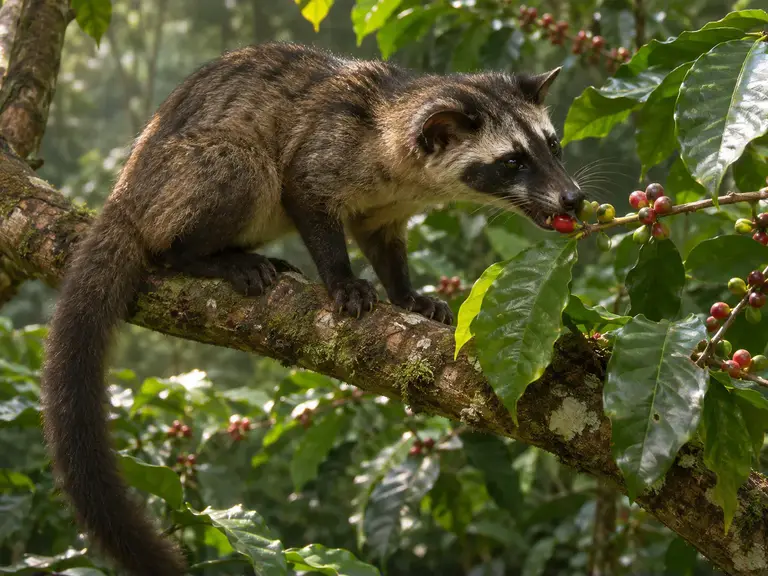
01 / Fruit, then digestion
The coffee bean begins as a seed inside a fruit.
Palm civets eat coffee cherries. During digestion, the fruit’s outer material is broken down while coffee seeds pass through and are excreted.
That passage gives kopi luwak its name and its distinctive production story. It does not, by itself, establish the quality, authenticity or animal-welfare history of a finished coffee.
Read the civet microbiome study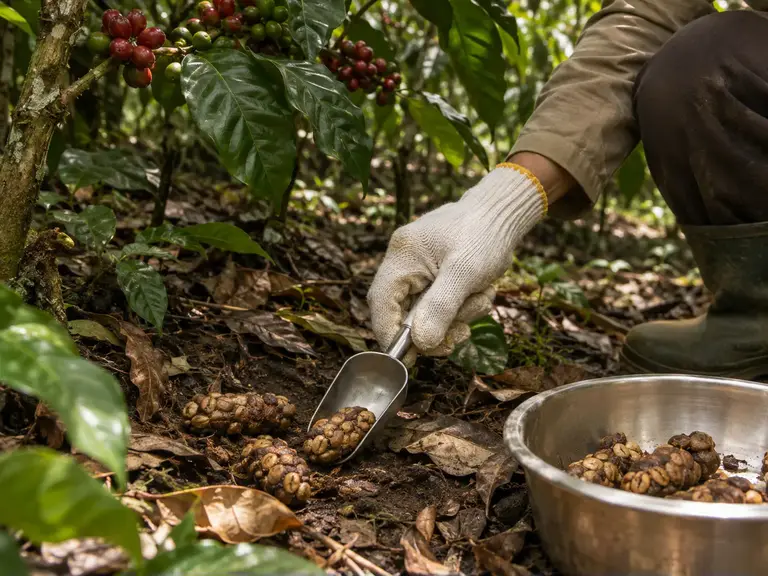
02 / Collected from the ground
In a wild-collection system, the animal remains free to move.
The collection stage concerns the material left behind, rather than the capture of an animal. For a buyer, the useful next question is how a collected batch can be followed into the processed lot.
Look closer at wild collection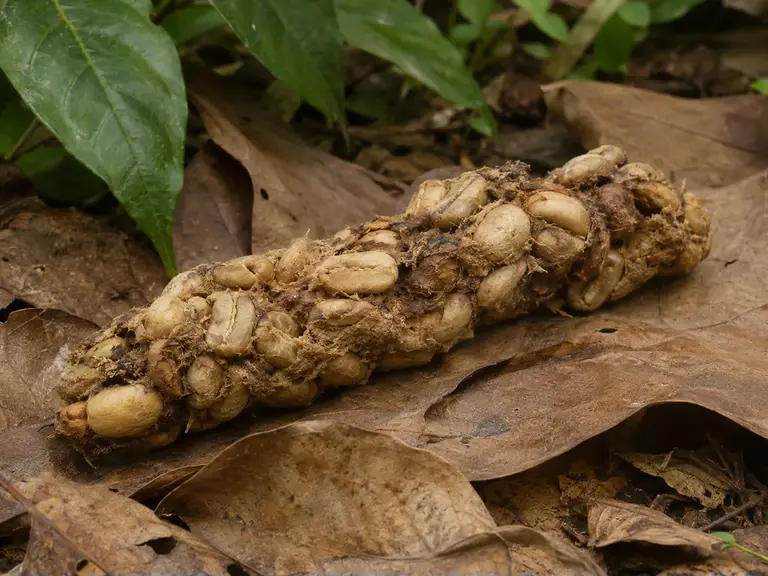
03 / What is actually collected?
Whole coffee seeds, held together in a dropping.
This close-up shows the seed-filled material before processing. The visible seeds are not roasted beans and this is not a ready-to-brew product.
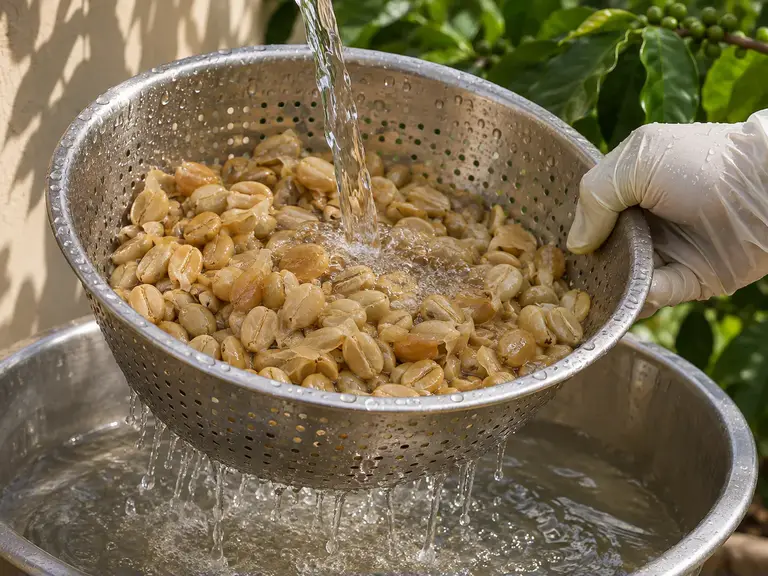
Collection and food preparation belong to different stages. Ask how the processor separates incoming material from cleaned coffee and records the handling of each batch.
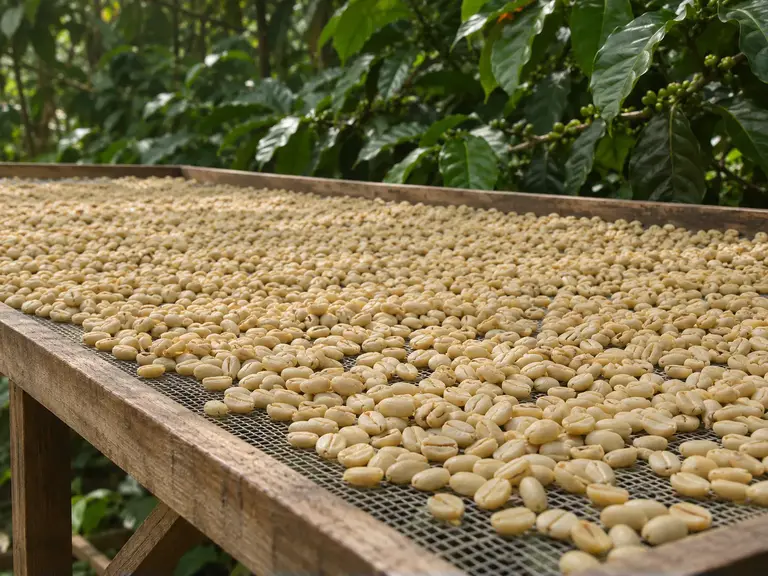
See the collection checklist04 / Cleaning. Drying. Preparation.
05 / The roaster takes over
A prepared green coffee
Before roasting, the lot should have its own identity and processing record. Ask what was measured and what was rejected.
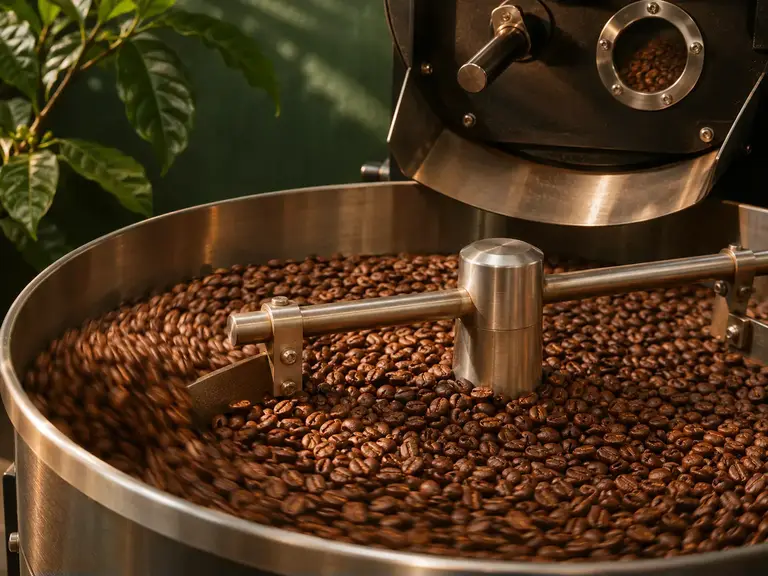
Heat develops the roast
Roasting changes green coffee into aromatic brown beans. Roast choice is another part of the coffee’s final character.
A sample connects the story to the cup
Compare preparation, roast date and batch details alongside aroma and taste. Keep sourcing questions in the same conversation.
Understand the whole journey
Go deeper into the collection evidence or the work that follows it.
Read the research
These references explain the general process and its limitations. Supplier records are still needed to assess a particular lot.
Civet digestion and the recovered seeds
Watanabe and colleagues describe the collection, cleaning, drying and roasting sequence.
Read the civet microbiome studyQuality claims need care
A published commentary questions whether digestion alone explains reported quality differences.
Read the review of digestion and coffee qualityRoasting is a separate craft
The Coffee Association of Canada explains the development of aroma and flavour during roasting.
Read the Coffee Association of Canada’s roasting guide